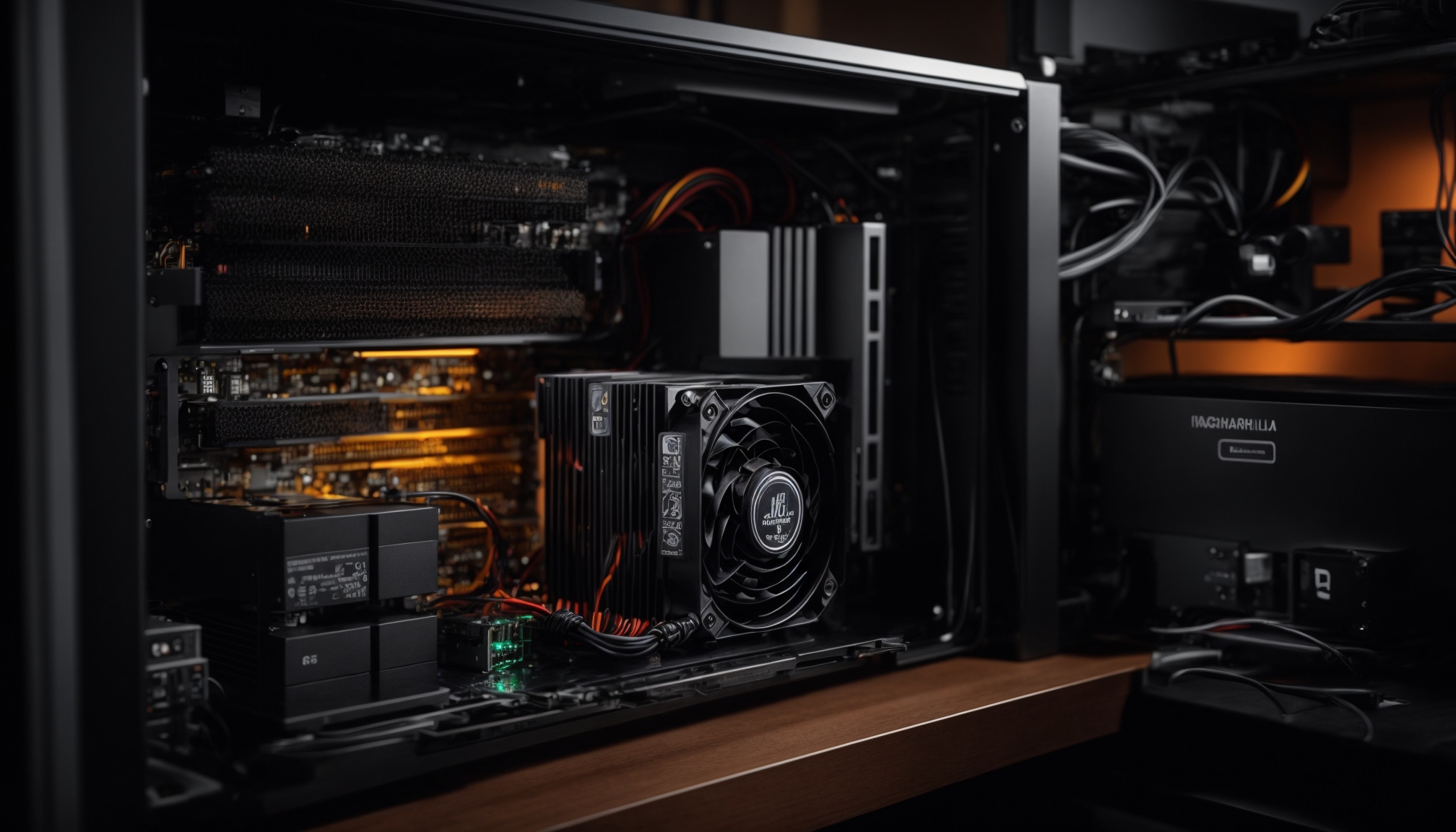
Solidly Stated – High-end GPU workstations require effective software optimization tips GPU users can implement to unlock their hardware’s full potential and enhance productivity.
Before diving into detailed software optimization tips GPU workstations, it is crucial to understand the hardware specifications and limitations of your system. Recognizing the exact GPU model, memory bandwidth, and driver support lays the foundation for proper optimization.
Update Drivers and Software Regularly
One of the most straightforward software optimization tips GPU owners benefit from is keeping drivers and software up to date. Manufacturers frequently release updates that fix bugs, improve stability, and introduce performance enhancements tailored to specific applications and workflows.
Configure Software Settings for Performance
Optimizing software settings tailored to your workstation is a vital software optimization tips GPU users should follow. Adjusting parameters like rendering quality, power management, and threading can significantly reduce lag and improve processing speed.
Leverage Parallel Computing Capabilities
Modern GPUs excel at parallel processing, so exploiting this feature is essential. Software optimization tips GPU enthusiasts use include parallelizing workloads and utilizing APIs such as CUDA or OpenCL to maximize computational efficiency.
Regularly monitoring system metrics helps identify bottlenecks that might hamper performance. Effective software optimization tips GPU users apply include tracking GPU usage, temperature, and memory consumption through tools like MSI Afterburner or GPU-Z.
Optimize Storage Solutions for Data Access
High-end GPU workstations often process massive datasets, so optimizing how data is accessed is critical. Software optimization tips GPU-focused workflows incorporate using SSDs or NVMe drives to reduce latency and improve read/write speeds.
Use Virtualization and Containerization When Appropriate
For complex environments, software optimization tips GPU professionals use include virtualization and containerization. These allow for efficient resource allocation and reproducibility of software stacks, improving consistency in GPU workstation performance.
Balancing Energy Consumption and Performance
Finally, managing power consumption while maintaining high performance is part of savvy software optimization tips GPU users follow. Adjusting power profiles ensures the workstation runs efficiently without overheating or wasting energy.
Implementing comprehensive software optimization tips GPU users adopt can significantly elevate the performance of high-end GPU workstations and deliver smoother, faster results in professional workflows.