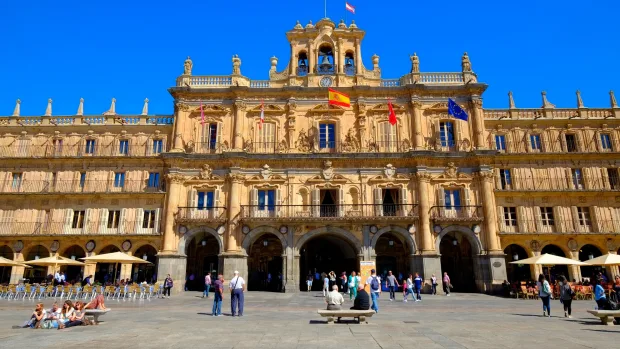
Solidly Stated – Latin American literary prizes now play a decisive role in steering global cultural conversations, elevating regional voices into worldwide debates on identity, power, and memory.
The Global Visibility of Latin American Literary Prizes
The rise of latin american literary prizes has transformed how readers, critics, and publishers discover new voices. Awards once limited to national circulation now influence translation markets in Europe, North America, and Asia. As a result, novels, essays, and poetry from the region reach bookstores and digital platforms far beyond their original linguistic borders.
Major awards such as the Premio Alfaguara, Premio Rómulo Gallegos, and Premio Casa de las Américas often trigger immediate spikes in foreign rights sales. Publishers monitor these announcements to identify emerging trends, from experimental narrative structures to renewed interest in political and historical themes. This attention shifts the global literary map and challenges long-standing dominance from English- and French-language centers.
In many cases, the prestige associated with winning these prizes offers authors a platform for public commentary. They become frequent participants in international festivals, university lectures, and media interviews. Consequently, their stories and perspectives shape how global audiences interpret Latin America’s social struggles, cultural heritage, and artistic innovation.
From Magical Realism to Multiplicity
For decades, international readers linked latin american literary prizes to the legacy of magical realism. Associations with Gabriel García Márquez, Mario Vargas Llosa, and other Boom authors created a powerful but limited stereotype. However, newer generations of award-winning writers steadily move beyond that single label and present a broader range of styles and subjects.
Today’s prize lists highlight crime fiction, autofiction, feminist narratives, queer perspectives, and Indigenous storytelling. This shift counters the idea that Latin American literature must always feature lush rural landscapes, mystical apparitions, or epic family sagas. Instead, it reveals dense urban environments, border conflicts, ecological disasters, and everyday digital life.
International juries also contribute to this diversification. When they honor works that confront state violence, migration, or racial inequality, they send clear signals to critics and educators worldwide. Syllabi in global literature courses gradually expand to include a wider set of Latin American voices, encouraging students to question simplified, exoticized images of the region.
Prizes as Engines of Translation and Publishing
One key effect of latin american literary prizes lies in the translation ecosystem. Prizes reduce the financial risk for publishers by offering ready-made markers of quality. This is especially important for smaller presses that specialize in translated literature and operate with limited budgets.
Many translators build their careers by working on prize-winning or shortlisted titles, which offer greater chances of international attention. These translations circulate through independent bookstores, online platforms, and book clubs, building a dedicated readership that actively seeks out voices from the region. Over time, the cumulative impact reshapes what global readers consider part of the “canon.”
At the same time, these awards influence editorial strategies inside Latin America. As publishers recognize the prestige and sales potential of successful titles, they invest more in editing, design, and marketing. This professionalization raises production standards and makes books more attractive to international partners, strengthening the bridge between local and global markets.
The Political and Social Power of Awarded Narratives
The narratives elevated by latin american literary prizes often carry strong political and social messages. Many laureates address authoritarian histories, transitional justice, and the long-term scars of dictatorship and civil conflict. Their stories travel across continents and become tools for comparative reflection, allowing readers in other regions to draw parallels with their own historical traumas.
Furthermore, award-winning works frequently explore themes of migration and displacement. They depict the realities of crossing borders, surviving precarity, and negotiating identity in diaspora communities. When translated, these stories feed into broader global debates on refugees, citizenship, and human rights, challenging simplified policy narratives.
In addition, the growing presence of women and marginalized authors among winners brings new layers of representation. Their success encourages local publishing industries to broaden their catalogs and signals to international audiences that Latin America’s literary field is dynamic, contested, and far from monolithic.
Debates, Criticisms, and Future Directions
Despite their impact, latin american literary prizes face criticism over transparency, inclusion, and commercial influence. Some observers argue that large corporate-sponsored awards favor marketable genres and established names, leaving more experimental or grassroots voices in the shadows. Others question whether juries adequately represent the linguistic and cultural diversity of the region.
However, alternative and regional prizes are emerging to challenge these patterns. Awards dedicated to Indigenous languages, Afro-descendant communities, and independent publishers seek to rebalance visibility. Their winners gradually enter international circuits, often through collaborations with small foreign presses and activist translation networks.
Digital technologies may further transform how these prizes shape global culture. Hybrid events, live-streamed ceremonies, and social media campaigns allow readers worldwide to follow shortlists, listen to authors, and participate in discussions. As access expands, the symbolic authority once reserved for a small circle of critics becomes a more collective, participatory process.
In the long term, the influence of latin american literary prizes will likely depend on how they navigate tensions between prestige and accessibility, regional identity and global expectations. If they continue to reward bold experimentation and diverse voices, latin american literary prizes can keep redefining how the world imagines literature, power, and belonging across borders. Through that ongoing negotiation, latin american literary prizes will remain a vital force in shaping global cultural narratives.