Crafting Your Digital Workspace: Optimal PC Hardware Integration for Web Design
Solidly Stated – Creating a digital workspace that supports creativity and efficiency starts with optimal PC hardware integration tailored specifically for web design needs. Selecting the right components can boost productivity and make workflows much smoother.
Why Optimal PC Hardware Integration Matters
For web designers, every second counts. Optimal PC hardware integration ensures that your machine runs seamlessly, reducing lag and increasing multitasking capabilities. From rendering graphics to managing multiple browser windows and design tools, integrated hardware plays a crucial role.
Key Components for Web Design Workstations
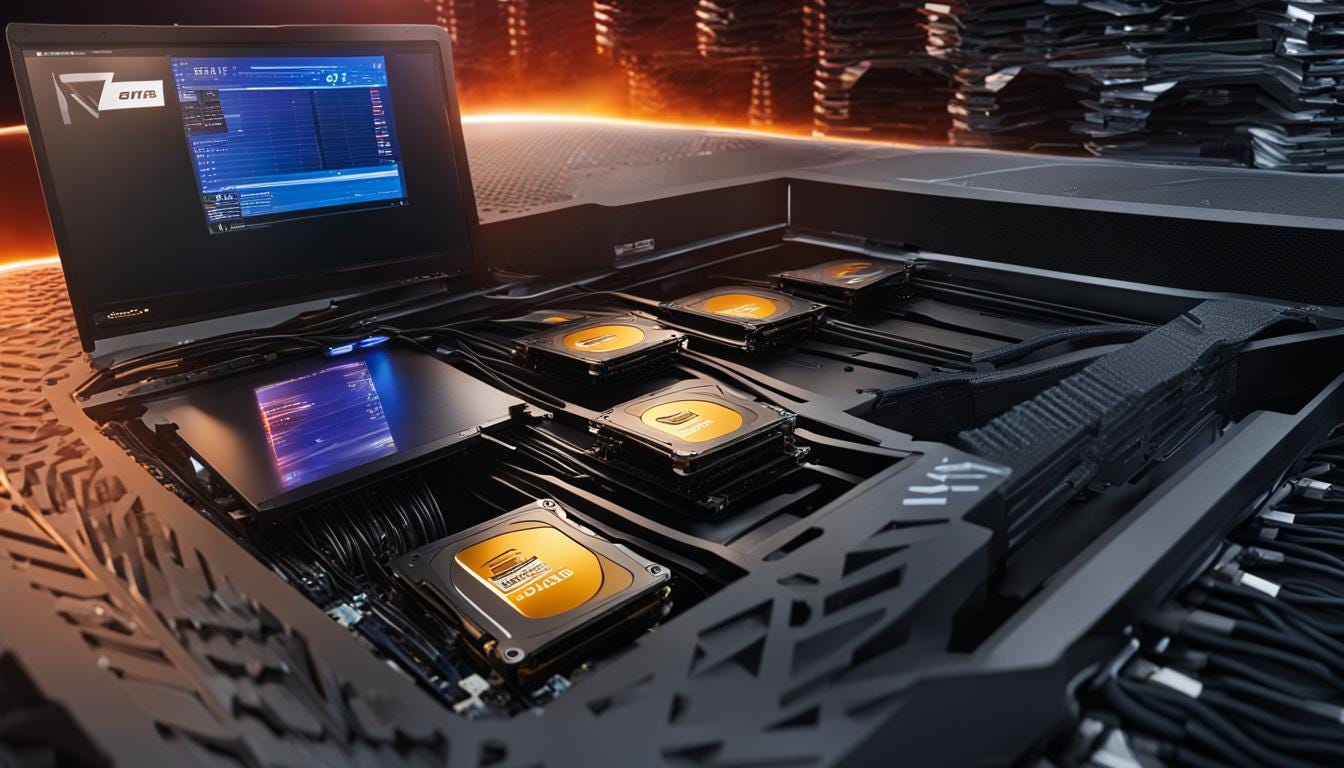
Central processing units (CPUs) with high clock speeds and multiple cores enhance software performance. Pairing this with a quality graphics card benefits tasks involving detailed graphics and animations. Additionally, solid-state drives (SSDs) significantly reduce load times for software and file access, streamlining the workflow.
Optimizing Your Setup for Creativity and Efficiency
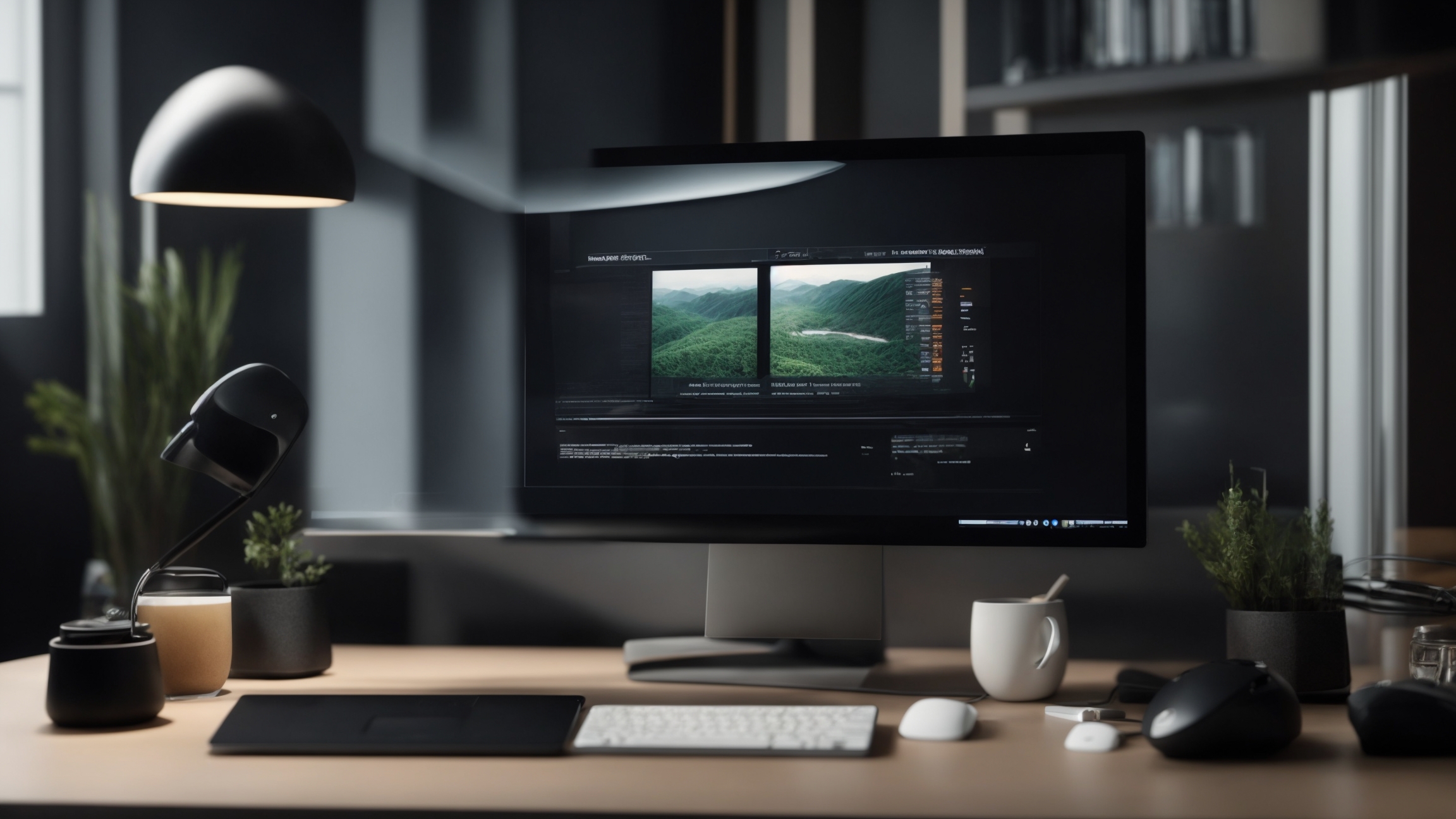
Beyond raw power, incorporating peripherals such as multiple monitors and ergonomic input devices complements your optimal PC hardware integration. Multiple screens allow for better multitasking and reference management, whereas ergonomic keyboards and mice help maintain comfort during long design sessions.
Read More: How to Build the Ultimate Designer PC for Creative Projects
Maintaining and Upgrading Your Digital Workspace
Maintenance plays a key role in preserving optimal PC hardware integration. Regular updates of software and drivers prevent bottlenecks. Additionally, upgrading RAM and storage offers sustainable ways to extend the workstation’s lifespan, handling more intensive design projects without compromise.
Maximizing Web Design Potential Through Hardware
Integrating the perfect blend of hardware tailored to your workflows allows you to fully realize your creative visions. Optimal PC hardware integration not only speeds up rendering times but also supports running complex programs, ultimately enhancing the overall quality and speed of web design production.
Building the Ideal Digital Workspace Step by Step
Start by evaluating your current needs and design habits. Identify hardware bottlenecks, then prioritize components that enhance those areas. Focus on upgrading the CPU, graphics card, and storage with balanced peripherals that optimize comfort and workflow. As a result, you will achieve a workspace that’s perfectly tuned for web design demands.